Optimal Timing for Flower Bed Cleanings

Early spring is ideal for removing debris and preparing flower beds for new growth.

Late autumn cleaning helps prevent disease and prepares beds for winter dormancy.
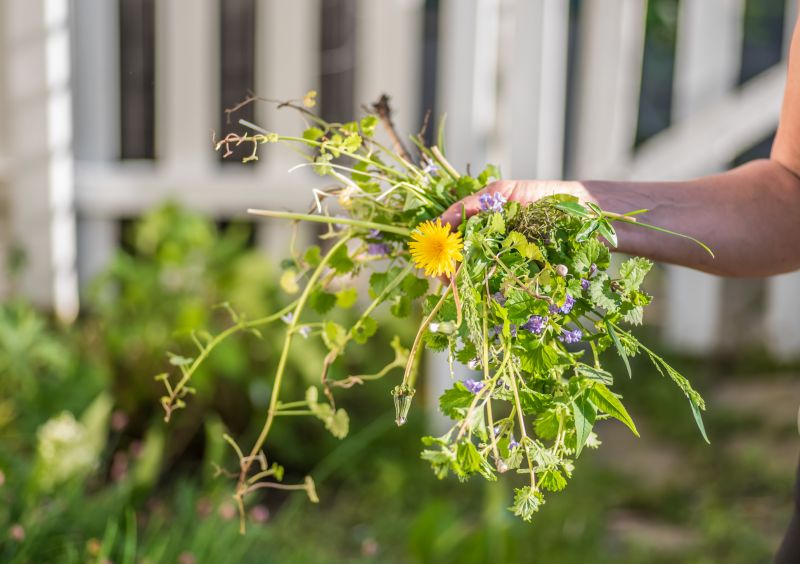
After flowering, cleaning encourages healthy regrowth and prevents pest buildup.

Ways to make Flower Bed Cleanings work in tight or awkward layouts.
Popular materials for Flower Bed Cleanings and why they hold up over time.
Simple add-ons that improve Flower Bed Cleanings without blowing the budget.
High-end options that actually feel worth it for Flower Bed Cleanings.
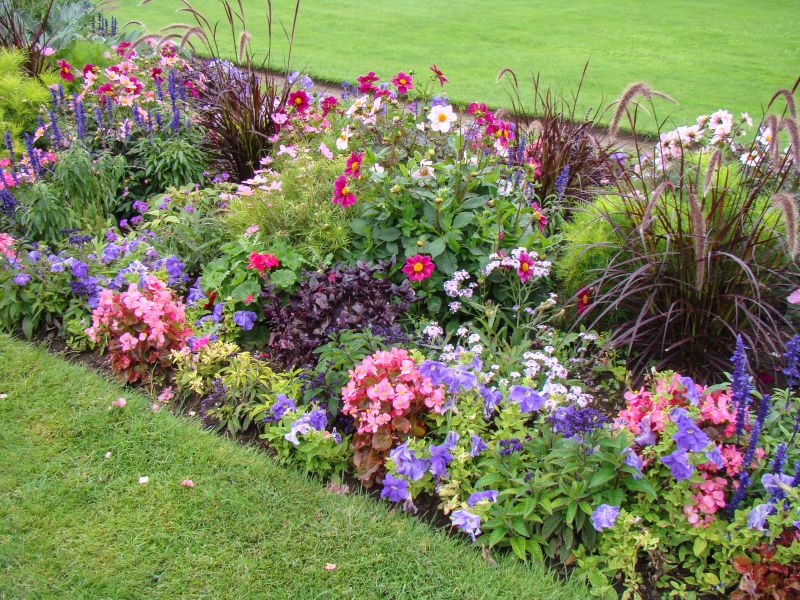
Finishes and colors that play nicely with Flower Bed Cleanings.
Timely cleanings help control pests, reduce disease risk, and enhance plant growth.
Overgrown debris, mold, or pest activity indicate a need for prompt flower bed maintenance.
Use pruning shears, rakes, and compost bins to efficiently clean and recycle plant debris.
Removing dead material allows better air circulation and reduces fungal infections.
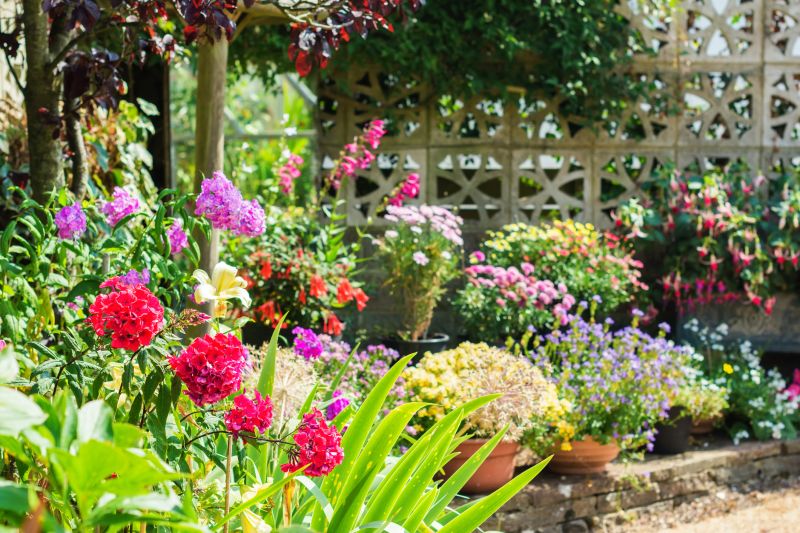
Preparing beds early ensures a vibrant start to the growing season.
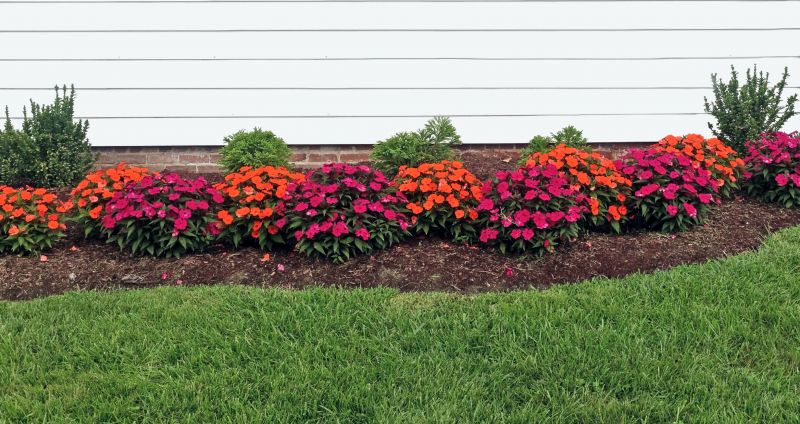
Clearing debris before winter helps protect plants and soil.

Removing spent flowers encourages new growth and prevents disease.
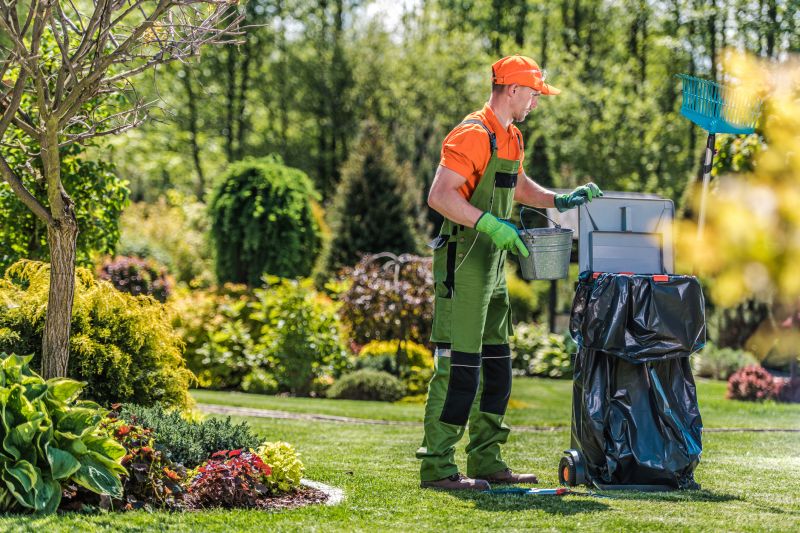
Adjust cleaning schedules based on plant types and regional climate.

Little measurements that prevent headaches on Flower Bed Cleanings day.
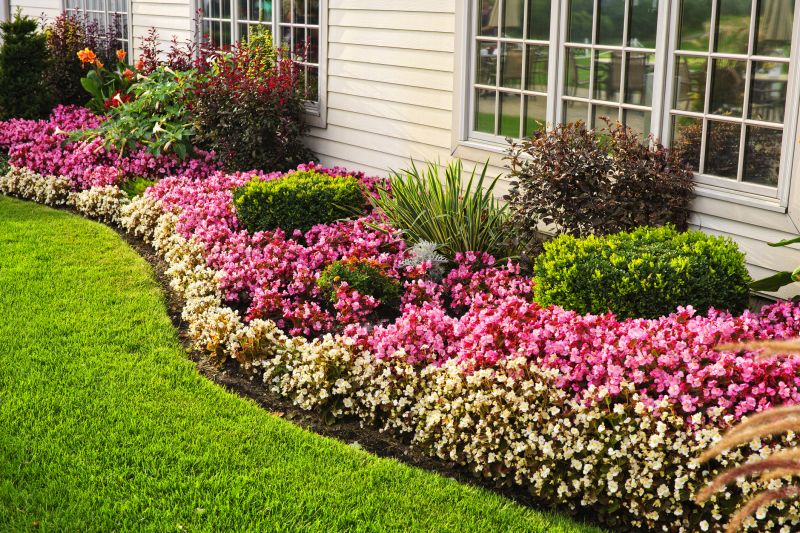
A 60-second routine that keeps Flower Bed Cleanings looking new.
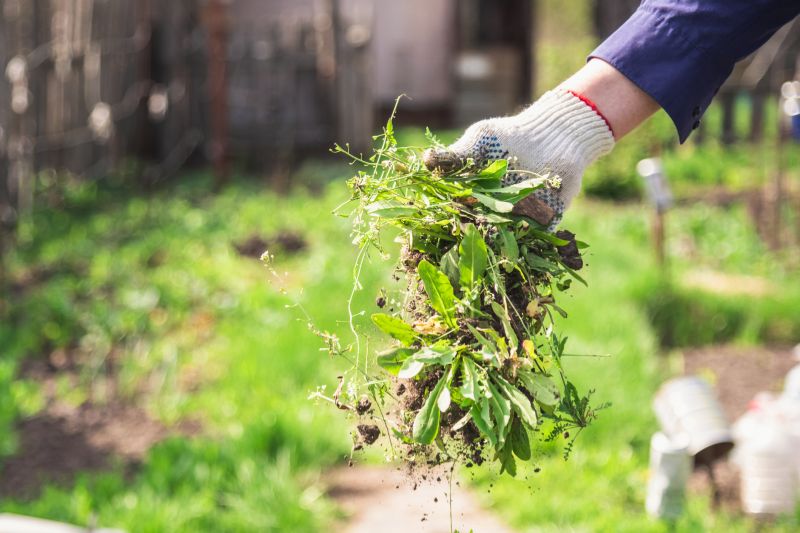
A frequent mistake in Flower Bed Cleanings and how to dodge it.

Small tweaks to make Flower Bed Cleanings safer and easier to use.
| Season | Recommended Cleaning Time |
|---|---|
| Spring | Early spring before new growth begins |
| Summer | Mid to late summer after peak bloom |
| Fall | Late autumn after leaf fall and before frost |
| Winter | Optional light cleanup for dormant beds |
| Post-Bloom | Immediately after flowering period |
Timing flower bed cleanings appropriately maximizes plant health and garden aesthetics. Early spring cleanings remove winter debris and prepare beds for planting, while fall maintenance helps prevent overwintering pests and diseases. Post-bloom cleanings support healthy regrowth and flowering cycles. Regional climate variations may influence specific timing, but generally, these periods provide optimal results for flower bed maintenance.

Clearing debris and pruning for a fresh start.
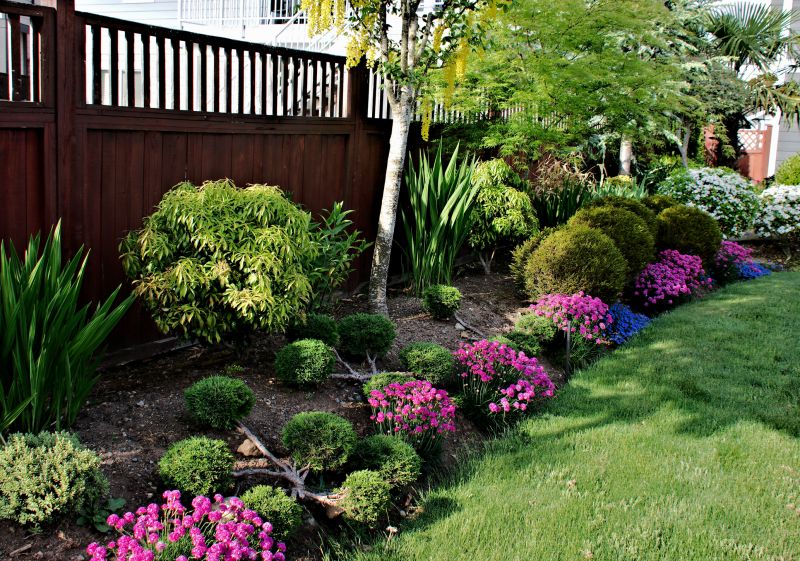
Maintaining healthy growth during peak season.

Preparing for dormancy and preventing pests.
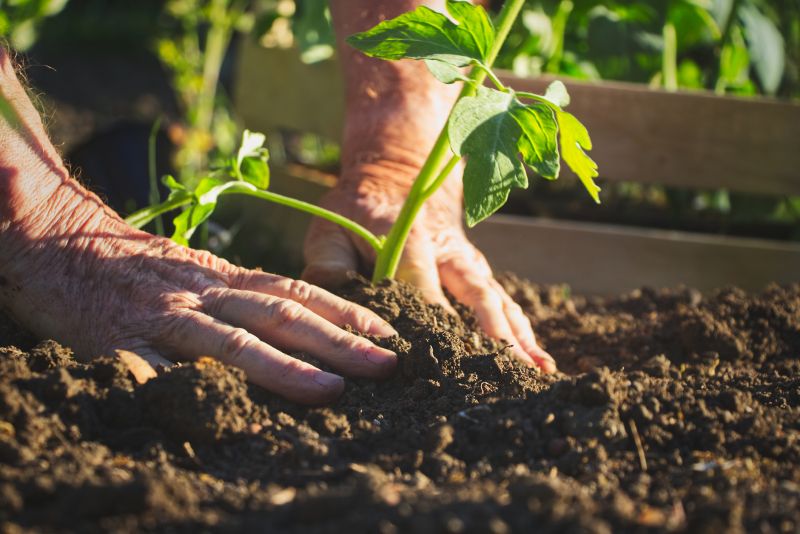
Light cleaning to maintain bed health during cold months.
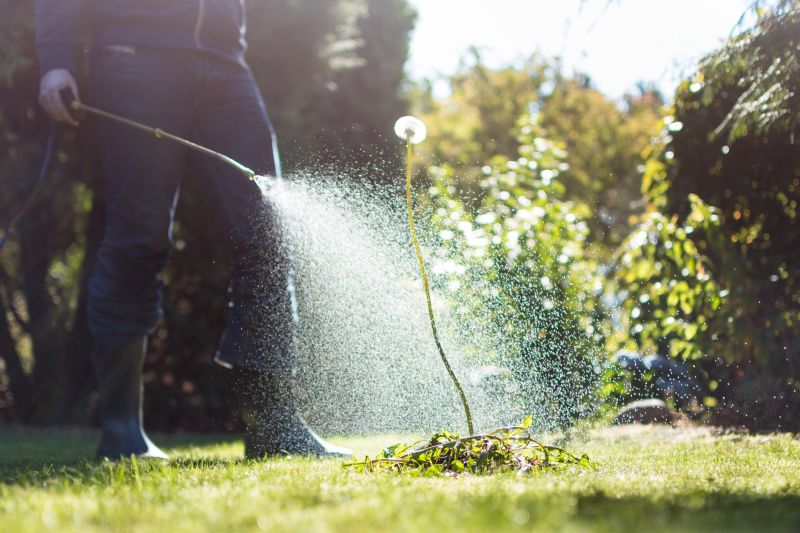
Lower-waste or water-saving choices for Flower Bed Cleanings.
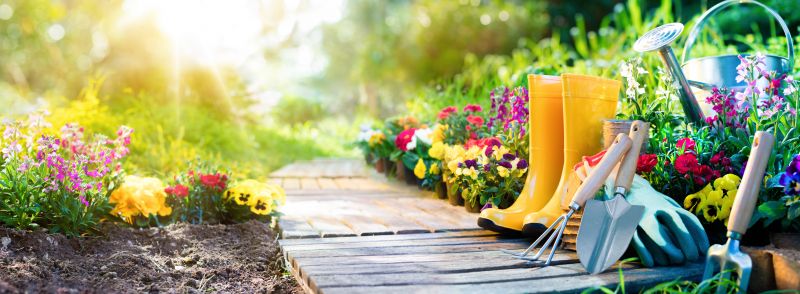
The short, realistic tool list for quality Flower Bed Cleanings.
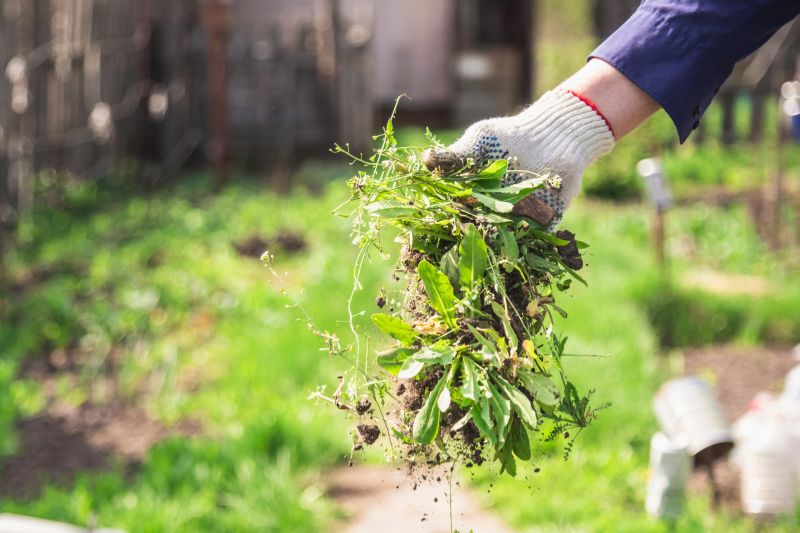
Rough timing from prep to clean-up for Flower Bed Cleanings.

Quick checks and paperwork to keep after Flower Bed Cleanings.
Understanding the optimal timing for flower bed cleanings ensures a thriving garden. Seasonal adjustments based on local climate and plant varieties can enhance flowering, reduce disease, and improve soil quality. Regular maintenance, aligned with these best periods, supports long-term garden health and visual appeal.
Identify the current season and assess your flower beds for debris and overgrowth.
Pruning shears, rakes, gloves, and compost bins are recommended.
Remove dead plants, prune healthy growth, and clear fallen leaves.
Coordinate cleaning with plant flowering cycles and regional climate.
Properly timed flower bed cleanings contribute to a healthier, more vibrant garden. Regular maintenance tailored to seasonal needs ensures plants receive optimal care, leading to improved growth and flowering. For those interested in professional flower bed cleaning services, filling out the contact form provides a convenient way to schedule seasonal maintenance and enhance garden beauty.